
greenhouse glass panels
How to Change a Main Water Valve Changing a main water valve may seem like a daunting task, but with the right tools and instructions, it can be accomplished by a homeowner with basic plumbing knowledge. The main water valve is essential for controlling the water supply to your entire house, making it crucial to ensure it is functioning properly. Here’s a step-by-step guide on how to change your main water valve safely and effectively. Tools and Materials Needed Before starting the process, ensure you have the following tools and materials 1. Pipe Wrench For loosening and tightening connections. 2. Adjustable Wrench Useful for securing fittings. 3. Screwdrivers Both flathead and Phillips for any screws present. 4. Teflon Tape For sealing threaded connections. 5. Basin Wrench If the valve is in a tight location. 6. Replacement Valve Ensure you have the correct size and type based on your current valve. 7. Bucket To catch any residual water when you remove the old valve. 8. Safety Goggles and Gloves For protection during the process. Step 1 Locate the Main Water Valve The first step is to locate your main water valve. It is typically found near where the water line enters your home, often in the basement, crawl space, or on an exterior wall. The valve may look like a round wheel or a lever. Familiarizing yourself with its location is important, as you will need to turn it off before replacing it. Step 2 Turn Off the Water Supply Once you’ve found the valve, turn it off by rotating it clockwise. If it’s a lever valve, simply turn the lever perpendicular to the piping. This action will stop the flow of water into your home. To verify that the water is off, turn on a faucet in the house and ensure that there is no water flow. Step 3 Drain the Pipes After shutting off the main water valve, it’s necessary to drain any remaining water from the pipes. Open the lowest faucet in your home to allow air into the system, which will help drain the remaining water out. Placing a bucket underneath the valve can help catch any water that spills during the removal process. how to change main water valve Step 4 Remove the Old Valve Using the pipe wrench, begin loosening the nuts that secure the main water valve to the pipes. If the valve is rusty or stuck, you may need to apply penetrating oil and allow it to sit for a while before attempting to loosen it again. Be careful to hold the pipe securely to avoid damaging it. Once the nuts are loosened, remove the old valve completely. Step 5 Install the New Valve Before installing the new valve, wrap the threaded ends of the pipe with Teflon tape. This will help create a watertight seal and prevent leaks. Next, position the new valve in place and hand-tighten the nuts to secure it. After ensuring it's correctly aligned, use the adjustable wrench to further tighten the connection. Be cautious not to overtighten, as this can damage the valve or pipes. Step 6 Turn the Water Supply Back On Once the new valve is securely in place, return to the main water valve and turn it back on by rotating it counterclockwise or moving the lever back to its original position. After turning it on, check for leaks around the new valve and the connections. If you notice any leaking, you may need to tighten the connections slightly. Step 7 Test the System With the new valve installed and no leaks detected, test the system by turning on several faucets throughout your home. This will help you ensure that the water is flowing correctly and that there are no air pockets. If the water pressure is inconsistent or if you note any issues, you may need to further troubleshoot your plumbing system. Conclusion Changing a main water valve can be a straightforward task if you approach it methodically and with the right tools. Regular maintenance of your plumbing system, including the main water valve, can prevent significant issues down the line. If at any point you feel unsure or encounter difficulties, consider consulting a professional plumber to ensure the work is completed safely and effectively. Remember, taking proactive steps can save you time and money in the long run.
about
greenhouse glass panels
Understanding the Pricing of 3-Inch Butterfly Valves Butterfly valves are widely used in various industries for regulating and isolating flow. A 3-inch butterfly valve, in particular, is a popular choice for many applications due to its compact size, lightweight design, and ease of operation. When considering a butterfly valve, one of the most pressing concerns is its price. In this article, we explore the factors that influence the pricing of 3-inch butterfly valves, the types available in the market, and where to purchase them. Key Factors Influencing Price 1. Material Composition The material from which the butterfly valve is constructed significantly affects its price. Common materials used include cast iron, stainless steel, and plastic. Stainless steel valves, for instance, are more expensive than those made from PVC or cast iron due to their durability and corrosion resistance, making them suitable for harsher environments. 2. Design and Features Butterfly valves come in various designs, including lug-style and wafer-style configurations. Valves that include advanced features such as electric actuators, manual override options, or automated controls usually cost more than basic models. The complexity of the valve design often correlates with its price. 3. Brand Reputation The manufacturer of the valve plays a crucial role in its pricing. Established brands with a track record for quality assurance, durability, and customer service may charge higher prices compared to lesser-known brands. Investing in a reputable brand can be wise, as it often leads to better reliability and support. 4. Industry Standards Valves meeting certain industry standards, such as ANSI or API certifications, usually carry a premium price tag. These standards ensure that the valve has been tested for quality and performance, making compliance a vital consideration for many buyers. 5. Market Demand and Supply The butterfly valve market can be subject to fluctuations based on global demand and supply. Economic conditions, trade tariffs, and availability of raw materials can influence prices. During times of high demand, prices may increase, while in a surplus situation, prices may drop. Types of 3-Inch Butterfly Valves 3-inch butterfly valves are available in various configurations tailored for specific applications - Wafer Butterfly Valves These are designed to fit between two pipeline flanges and are often lighter and more cost-effective. They are commonly used in water and wastewater treatment facilities. butterfly valve 3 inch price - Lug Butterfly Valves Featuring threaded lugs, these valves can be installed between flanged pipe sections. They are ideal for systems that require regular maintenance, as they can be removed without having to disconnect the entire piping system. - Fire-Safe Butterfly Valves Designed specifically for fire protection applications, these valves must meet stringent safety standards, which can drive their prices higher . - High-Performance Butterfly Valves These valves are engineered for high-pressure applications and often include advanced features like enhanced sealing capability, making them more expensive than standard models. Where to Buy 3-Inch Butterfly Valves Purchasing a 3-inch butterfly valve can be done through various channels - Local Distributors Visiting local industrial supply stores can provide an opportunity to inspect the valves physically. Local distributors often offer expert advice and immediate availability. - Online Retailers and Marketplaces Websites like Amazon, Alibaba, and specialized industrial supply platforms offer a wide range of options, often at competitive prices. Online shopping gives you the advantage of comparing prices and reading customer reviews. - Manufacturer Websites For custom requirements or bulk purchases, contacting manufacturers directly can lead to better pricing and warranty options. Many manufacturers offer online ordering systems and technical support. - Auction Sites Occasionally, industrial auction sites feature surplus or used butterfly valves at discounted prices. This option can potentially save significant costs if quality and functionality are confirmed. Conclusion The price of a 3-inch butterfly valve varies based on material, design, brand, and market dynamics. By understanding the factors influencing pricing and exploring various purchasing avenues, buyers can make informed decisions that align with their operational needs and budget constraints. Whether for a residential plumbing project or a large-scale industrial application, knowing the essentials of butterfly valve pricing equips buyers with the tools to choose wisely.
-

High quality industrial productsagement

High quality industrial products
View Details -

Meet the diverse needs of customers

Meet the diverse needs of customers
View Details -

Strict quality control

Strict quality control
View Details -

Top raw materials

Top raw materials
View Details -

Trusted supplier

Trusted supplier
View Details
Our application

news and information
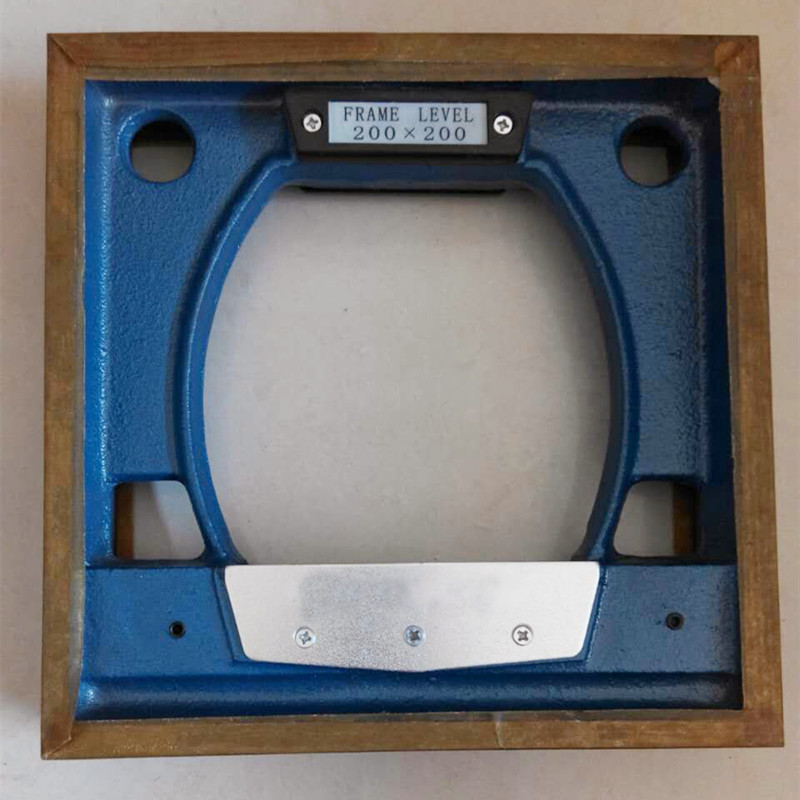
Versatile Snap Gauge with Adjustable Range for Precise Measurement in Various Applications
Understanding Adjustable Snap Gauge Ranges In the world of precision measurement, tools like the adj
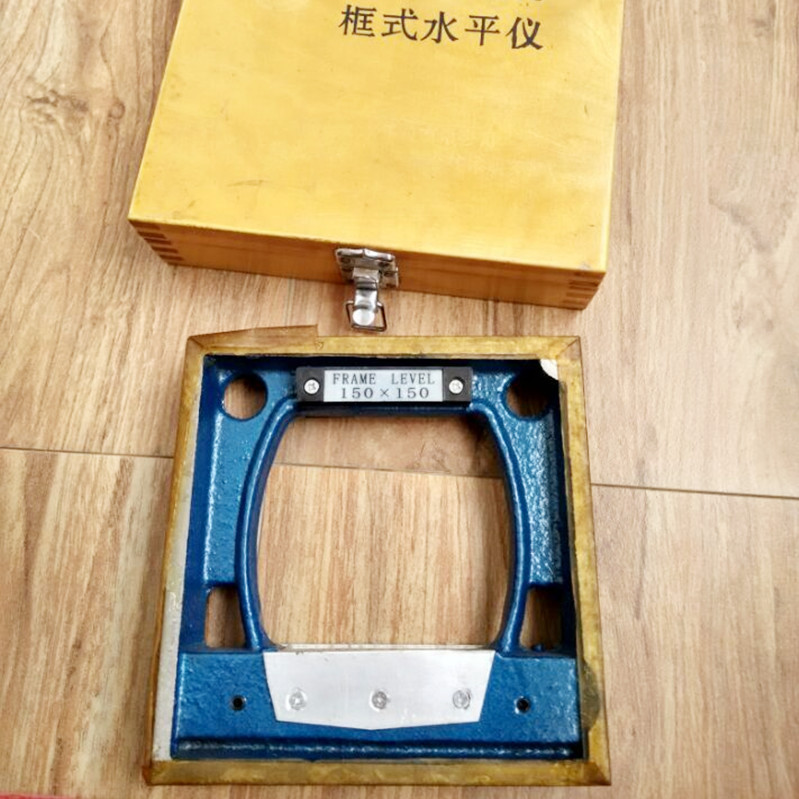
Valvola a sfera da 36 pollici per applicazioni industriali e acquedotti
La valvola a ghigliottina da 36 pollici è un componente fondamentale in molti sistemi industriali e

What is the Difference Between Butterfly Valve and Gate Valve
Butterfly valves and gate valves have significant differences in multiple aspects, mainly reflected
 English